Blog

Your blog category

Ram Mandir

The Ram Mandir temple at Ayodhya: Forging harmony or repeating history?

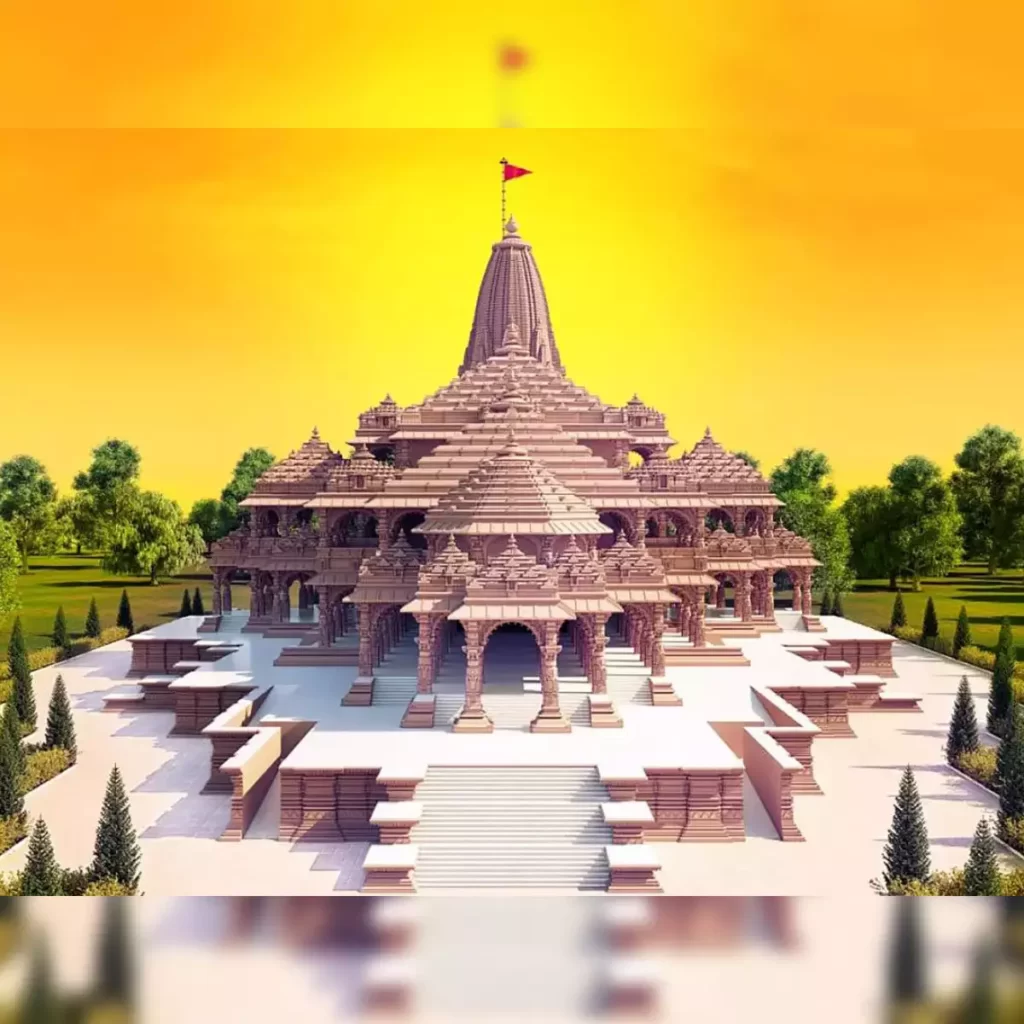
Whilst all attention turns to unrest in the Middle East, the opening of what is considered to be the equivalent of Mecca for Hindus is passing with little opposition from extreme factions in the UK. A site that has been marred with communal unrest, with thousands of lives lost, has often seen activity in Ayodhya pour over into neighbouring states and, indeed, the UK. Is this the moment for resolute peace? Gujarat 2002 saw 790 Muslim and 254 Hindu lives lost and countless families displaced, in a horrific display of retribution and revenge. The catalyst, the burning alive of Hindu families returning on a train from a pilgrimage to the soon-to-be-consecrated site of the Ram Mandir. The contest for possession of the infamous Ayodhya site has claimed thousands of lives, attention now turns to whether Monday’s consecration can be an opportunity for peace or yet another reason for communal unrest. Mass violence over possession really began in1992. The strongly held belief that the site was the birthplace of Lord Ram, making the soon to be Mandir equitable in spiritual significance to Mecca for Muslims, or Bethlehem for Christians, spilt over into violent religious extremism. The violence in India sent ripple effects across the globe including the UK where Hindu temples in Leeds, Sheffield and Derby were set ablaze and numerous Hindu businesses attacked. Since 2002 initiatives to lift people out of poverty and eradicate caste, corruption, and vigilantism have significantly reduced slum communities. Slums in India have historically acted as a society within a society, having within them their own system of judge, jury and executioner. A mixture of bigotry, fear and lack of resources has led police to leave slums to fend for themselves. Nothing was starker than the 2002 riots in demonstrating where such neglect could lead. Ram is a major deity in Hinduism. He is the seventh and one of the most popular avatars of Vishnu. In Rama-centric traditions of Hinduism, he is considered the Supreme Being. Since improvements in police recruitment and training have been made, the initially slum-based violence of 2002 has little chance of repeating. But more than that, there has been a cross-community and cross-political acceptance of the Supreme Court’s judgement, one that unanimously ruled Hindus held the possessory rights over the site and allocated land for the building of a mosque. This respect for the court’s secularly based judgement, combined with a want and will for greater communal harmony, makes the consecration more a mark of peace and reconciliation than a cause for concern. One of the primary Muslim litigants, whose house was burnt down in the 1992 unrest, said at the time of the Supreme Court verdict, “We had said that we will accept whatever the court decides even before the judgment came. We now welcome the verdict. It’s all in the past now. Let’s hope the verdict and construction of the mosque paves way for permanent peace in Ayodhya.” Anwar Hussain, a Muslim artist contributing to the festivities on Monday, expressed hope for permanent peace in Ayodhya, symbolising the potential for coexistence. His sentiment is echoed by many Muslims who see the event as an opportunity for communal harmony. Muslim artists from across the country are supporting the opening and partaking in the festivities; 40 Muslim women are preparing to present Lord Ram with a handcrafted outfit and Gulam Jilani, a Muslim tailor who specialises in making religious ‘Mahaviri’ flags in Jharkhand’s Hazaribagh district, has stitched a flag measuring 40 feet in length and 42 feet in width that will fly from the Mandir. As various communities, including Buddhists, Christians, Sikhs, and Muslims, contribute to the construction of the Ram Mandir, the narrative of inclusivity within diversity takes centre stage. Whilst the communities push for peace extreme fringes on both sides will attempt to peddle divisive narratives. There will be accusations of Hindu supremacism or articulations of a Hindu victory over Muslims. We have seen in recent years how perceptions of Hindu nationalism in India can inspire attacks on Hindus in the UK. In Leicester in 2022 Hindu homes, temples and vehicles were targeted in response to British Islamist claims that “Hindutva terrorists” were threatening Muslims. With Ayodhya’s harrowing history it is likely those intent on sowing Hindu-Muslim division will once again raise their voices, yet not a pip from the typically vociferous 5 Pillars et al. Shakeel Asfar lead a mob of masked Muslim men to protest against a Mandir in Birmingham in 2022, as it planned to host Sadhvi Rithambara, a key agitator in the illegal demolishing of the mosque in 1992. This weekend he has shared content of himself at a pro-Palestine march encouraging the crowd to shout, “from the river to the sea.” British Islamists may indeed be distracted this weekend, but one should be cautious in assuming they are finished with their campaign against British Hindus. The true challenge for both India and the UK lies in steering the narrative away from division towards a shared vision of inclusivity within diversity. As the world watches the formal opening of the most significant Hindu temple, the story that unfolds will determine whether this is a celebration of inclusivity or another chapter in a narrative steeped in violent unrest. While government and communities invest in fostering inclusivity, the answer ultimately lies in the eyes of the beholder and indeed how this chapter is told. For further consultation and media requests, please contact [email protected] To read the ICfS briefing pack on Ram Mandir, please click here.

The Ram Mandir temple at Ayodhya: Forging harmony or repeating history? Read More »
Israel economy war economy

India, Israel and the economic consequences of terror

If post-terror history has anything to teach us, it’s that Israel is set to see a sharp economic downturn. With over 300,000 reservists being drafted for military duty, Israel’s skilled workforce has been squeezed by 15%. India has remained a steadfast ally to Israel and proves that counter-terrorism can be coupled with economic growth. If post-terror history has anything to teach us, it is that Israel is set to see a sharp economic downturn. A downturn driven by investor nerves, a hiatus in tourism, the high costs of war and a slowdown in trade. To navigate this crisis, Israel must adopt a comprehensive approach, leveraging allies, practicing diplomacy, and prioritising a humanitarian stance while maintaining an iron fist against terror. Israel would do well to learn from India and lean on her at this critical juncture. Researcher in Diasphoric Communities at The ICfS, Nitish Rai Parwani, provides comment to CAPX addressing the economic downturn Israel is facing as a result of terror, and how to move forward. To read the full article, click here.

India, Israel and the economic consequences of terror Read More »

Israel flag the international centre for sustainability

India is a natural ally for Israel

Modi’s leadership has brought the once-distant nations closer than ever It is a time when we look to our state leaders for a strong response, one that rejects moral equivalences and stands firmly with Israel and for those in Palestine who stand against terror. Amid this bleak landscape, India has emerged as a steadfast ally to the Jewish state: Prime Minister Narendra Modi tweeted that “We stand in solidarity with Israel at this difficult hour”.  Head of our UK-India Desk, Charlotte Littlewood provides comment to The Article addressing the 324% rise in Antisemitism in the UK, how we got here and how we can move forward. To read the full article, click here.

India is a natural ally for Israel Read More »

City of London, financial capital of the world

Why we shouldn’t forget what made us rich.

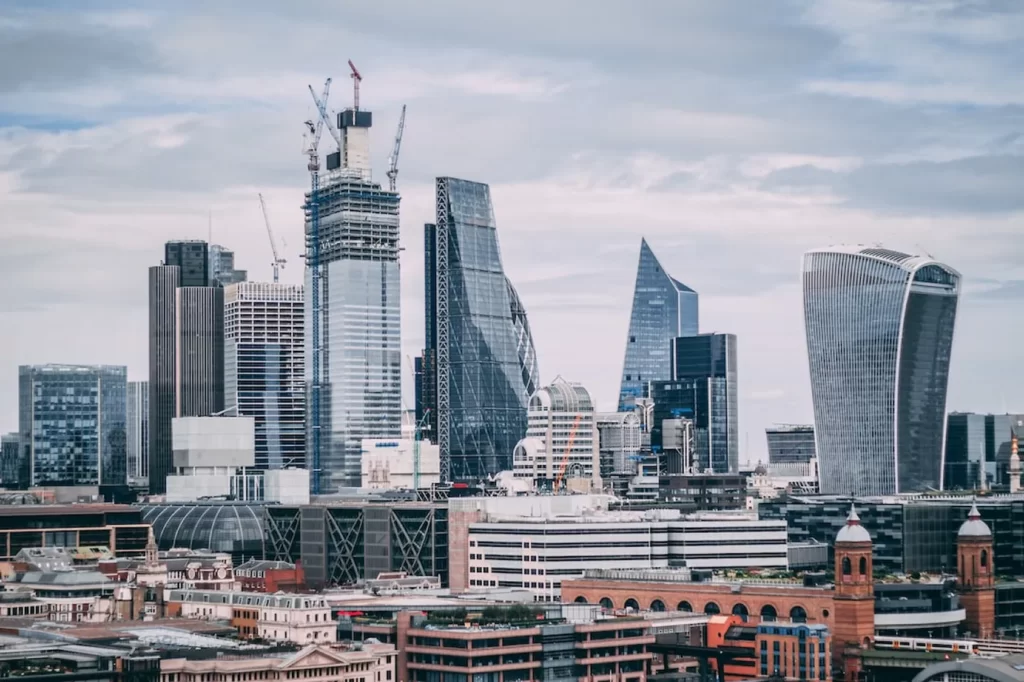
Milton Freedman once wrote “the political system is not inclined to bring about policies that would reduce the scope of government. Politicians win elections by promising benefits, not by imposing burdens.” What Freedman was suggesting was a simple truth, namely that the democratic tendency is always for the state to keep growing by venturing into ever expanding domains where it previously had no business. State power, and responsibility, creeps through promises and manifestos that politicians produce to woo the voters into areas that once were the strict domain of the individual, or family, or civic organisation. Take education, or the fire service, or for that matter the police, these were all in the private domain, before politicians, rightly by any account, decided to take them into the public realm as it was perceived to be a universal public good. “Politicians”, said James Buchanan, “like everyone else, respond to incentives. When they can get away with overspending, overpromising, and overcommitting, they will.” His words echo true today more than ever. Prime ministers of every colour and philosophical inclination from Blair to Brown, even Cameron to Johnson, and now Sunak have all expanded the remit of the state. Each has spent and borrowed continuously increasing the overall debt of the country. Ten percent of all the tax collected by the exchequer will be spent on servicing the UK national debt.[1] In most developed economies the numbers tell the same story, because politicians have worked out that so long as every country proportionately continues to overspend and over commit, the markets will be hoodwinked into a false sense of reality, at least in the short term, exactly what politicians prefer to think about — the short term. Ultimately, however, reality catches up in the form of inflation. Inflation, if not tackled quickly, has the power to bring down nations and even empires. History is a graveyard full of such nations and empires that ruled for centuries only to be brought to its knees by inflation caused by reckless fiscal management. Most developed economies today suffer from higher inflation, rising national debts, cuts in public spending, and burgeoning population of elderly citizens. Many in the West have lost confidence in the system, having spent the last two decades without a real wage rise, while the cost of living has spiralled. Only very recently have we seen any real rise in wages, and that too mostly from the private sector. This has quite rightly left many working-class, and younger voters disenchanted and out of love with open markets. Open markets have worked tremendously well to an extent, but not for everyone. Many people feel left behind. Citizens throughout the developed West are asking if we have run out of steam? Are we in need of a new economic model? At the heart of this disenchantment is China. China brought to the world stage State Capitalism at a scale never seen before. Central to the idea is that protectionism is the way to cope with the buffeting of open markets. China’s extraordinary success convinced unions in the West that they had a lot to lose from the free movement of goods across borders. Then came Covid-19, which informed western policy makers that supply chains were fragile and needed near-shoring or onshoring again. China’s state capitalism, with its disregard for international law, human rights, and rule-based trading system, was seized on in developed countries as a justification for state intervention. Politicians laboured over the fragility of international supply chains, echoed by unions and the anti-globalisation lobby all culminating in building what some have called a ‘cathedral of fear’. That fear had to be addressed by more government, more intervention, more protectionism, and with ever more government comes ever more spending. We have begun to adopt, at our own peril, a Chinese inspired State Capitalism. State intervention and closing of open markets is dangerous on several grounds. Open markets during downturns, if left alone, clear out poor businesses, those that are inefficient, or simply unable to modernise as per customer demands. This pain spurs innovation and new businesses are formed, and the economy is revitalised, creating new wealth and prosperity. None of which requires the government. We need only allow market forces to do their job. State protectionism reduces, or even protects us from this necessary pain. Governments to tackle inflation need to spend less, a lot less, and increase taxes to burn access liquidity in the market. The Conservative Party, under Sunak, has gone against its own ideological position of lowering taxes and has raised taxes to the highest level in modern British history as a percentage of GDP. Starmer, to his credit has indicated that he will maintain the Conservative status quo and keep Britain on a strict fiscal diet to bring down inflation. These are tough asks in a democracy. What Britain needs is less government, not more. State intervention is often too slow, cumbersome, and incapable of meeting the demands of a modern globalised economy. The AI and energy transitions required are simply too fast paced and complex for government to plan. Ideas need to be tested and left to die, or rise, by markets, not government committees giving out subsides. Excessive regulation will inhibit innovation and, by raising costs, make change slower and ultimately more painful without clearing out all the deadwood in the economy. The problem is that politicians love spending other people’s money, and as government budgets get ever bigger, special interests will have a feeding frenzy and a growing influence. The way forward: 7-points to keep in mind The way forward is to simply have the courage to do what we know to be right. We know the way; our leaders just need to have the courage to walk it. First, allow markets to do what they do best — meet consumer demand in the most efficient manner. In almost every sector government need not be active, and simply enable free market economics to take shape. Where supply outstrips demand,

Why we shouldn’t forget what made us rich. Read More »

Britannia

What of the dream that was Britannia?

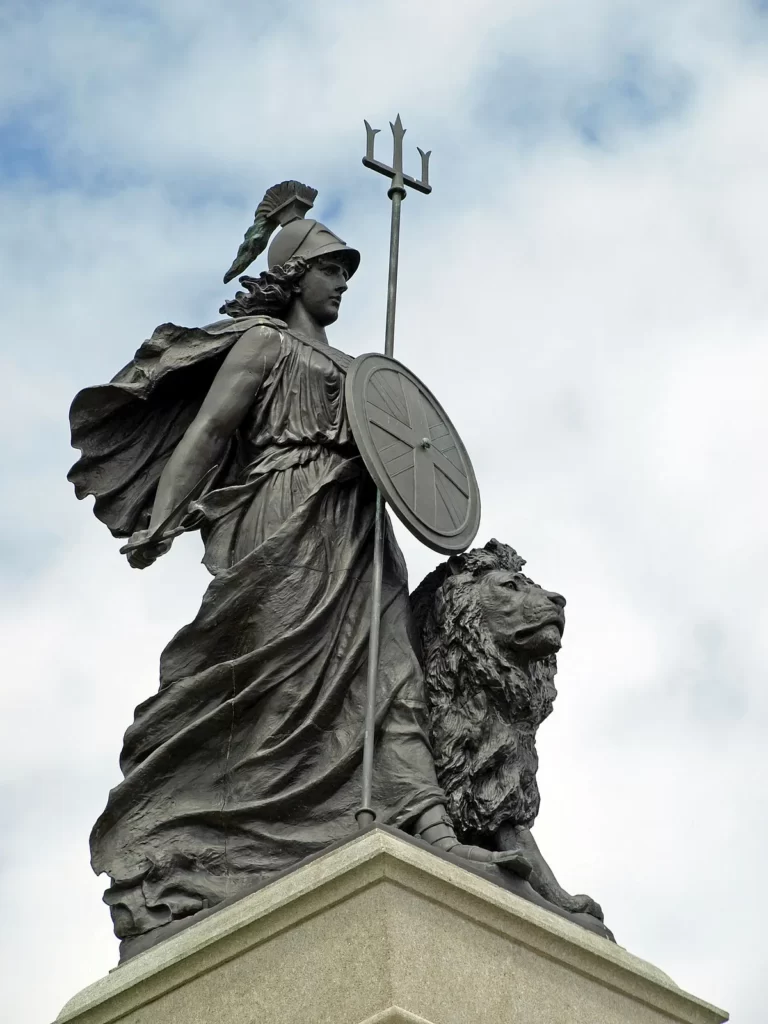
At the Bank of England Museum Britannia is described as a symbol of British strength. She is the personification of Britain that dates to the Roman era, typically shown with a trident, a shield and a warrior’s helmet. Today we mostly recognise her on our bank notes and coins. She is calm, poised and commanding. She was not always so. Britannia throughout the ages has been personified to represent the deepest aspirations, what we want to envisage ourselves to be as Britons. Roman emperors like Antoninus Pius (AD 138 -161) depicted her as a fierce warrior perched on a wall safeguarding the furthest limits of the Roman empire. In the 1750s she became the proud freer of slaves, in portraits where she sits next to a tamed lion, as black slaves kneel before her in gratitude. In the 1800s she was depicted negotiating with what was British India over who would pay for the Afghanistan war. Skip a few centuries and we see portrayals of a post Brexit Britannia — aged, destitute, and looking for some ‘spare trade’. Jörg Schindler, a journalist for Germany’s premier newspaper Spiegel, wrote extensively on what he saw, namely ‘The UK faces a steep climb out of a deep hole’. He essentially sculpted a narrative that still somewhat haunts us today that of a ‘broken Britain’. A Britain divided by class, north and south, ethnicities and along religious lines. British democracy was once lauded as a stable institution where the world’s money was safe, and stability prized. The last four years have seen that image badly tarnished.intent. In the light of Schindler’s remarks, Prime Minister Rishi Sunak was probably what the nation required: stability. He has certainly done that. Sunak is not flamboyant, nor is he particularly smooth or charming like Blair, but to his credit he is brave, although seen as indecisive at times. He was brave to raise taxes and cut or limit public spending to get inflation under control. He was brave in scrapping HS2. Yet, he is likely to face a massive defeat at the next general elections in 2024. On the red corner, Starmer is desperately trying to emulate ‘steady’ and ‘safe’ and has done a remarkable job of disciplining and sculpting the Labour leadership taking them away from the loons on the far left and soft Islamists in Labour heartlands. The next election seems to be sizing up as a fight between ‘who will manage the economy better’ and ‘who will make us all feel safe again’. We want, as do all electorates, smaller taxes and better public services, and every politician hoodwinks us during election time to do exactly that. This time feels no different. While yet, there is something markedly different. The role of Prime minister in our country has become more presidential (since Blair), and power is more concentrated at №10 than ever before. We are a people that are increasingly voting for the best leader — whoever is seen to come out on top in the gladiatorial televised open mic verbal fisty-cuffs. The problem with this current trajectory is that it attracts narcissists says Dr Brian Klaas at the UCL School of European Languages Culture and Society. Narcissists crave power for powers sake, and they are often quick to abandon the moral ground to get ahead. Note how Johnson swung to appease his crackpot right-wingers while the entire Labour Party elected a man stuck in the 1980s and swung to the far left. Douglas Adams once wrote of a planet on which humans are ruled by lizard overlords. There’s a paradox: the planet is a democracy; the humans hate and outnumber the lizards and yet the lizards always get elected. It turns out the humans vote for the lizards for a simple reason: “If they didn’t … the wrong lizard might get in.” Sunak is not a lizard, indeed he may not even be a narcissist, after all he took the poisoned chalice of leadership of the Conservative Party when he knew it was spiralling into chaos. It would have been far better for him to step back, watch his party implode and then step in when it was safe to do so, and reframe himself as the prodigal son and saviour! His principled approach maybe his undoing. The people don’t seem to want a manager — that’s what the markets and our institutions want. The cynic in me thinks the people want a rainmaker! But maybe, if I was to take a more optimistic view, the people aspire for Britannia to reappear, one fit for the 21st century. Britannia represents a form of nationalism, but not all nationalism is dirty. What we need may not be the political nationalism of the Empire, where we subjugated, and colonised those that were different, or seen to be inferior; but rather a softer cultural nationalism that helps as a binding agent to build a sense of ‘commons’ amongst all our diversity. To quote Professor John Hutchinson, the political philosopher from the London School Economics (LSE), ‘cultural nationalism acts as a force for moral innovation, emerging at times of crisis, to form movements that offer new maps of identity based on historical myths, that in turn may inspire programmes of socio-political regeneration.’ Maybe our democracy needs a renewal. If Hutchinson is correct, then maybe we need a sprinkling of cultural nationalism. Unless we, as a people, know what we stand for, we will always be in danger of being seduced by talented narcissists who seek the mandate to rule over us, and take us somewhere we have no desire to go. We need to hold our leaders to higher values, which clearly charts what we stand for, and where we want to be taken. A leader that will inspire what it means to be British — steady, fair, disciplined, aspirational coupled with hardworking, influential, and strong. This new Britannia is no longer the commander of the seas, and a subjugator of foes, but rather a deity that

What of the dream that was Britannia? Read More »

Free Palestine Protest

Hamas: righteous resistance or genocidal terrorists?

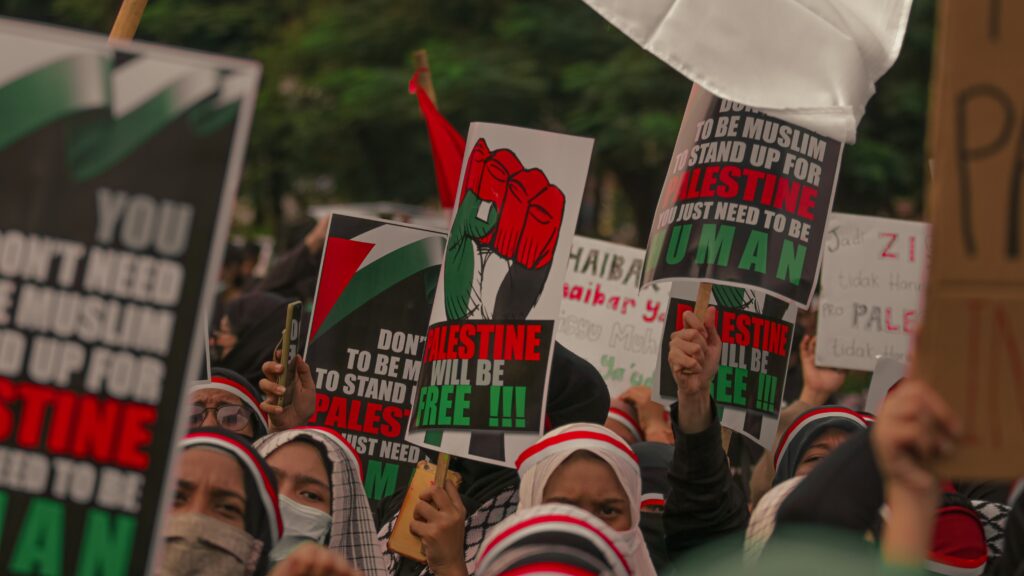
Those of us who want to see a free Palestine, eventually controlling its own borders, are left distraught by the antisemitism ripping through our British cities. The potential to irrevocably damage support for a two-state solution for Palestine is there. Meanwhile, Hamas’s  genocidal attack on 7 October has destroyed whatever claim to be a “resistance movement” it might previously have had. Our own Charlotte Littlewood at the UK-India desk writes for the Article on understanding Hamas and why these groups cannot be part of any solution for the middle-east. For the full article, click here To read the full article, click here.

Hamas: righteous resistance or genocidal terrorists? Read More »

Palestine, Gaza, Uk India relations

Appeasing Hamas: why we need muscular liberalism

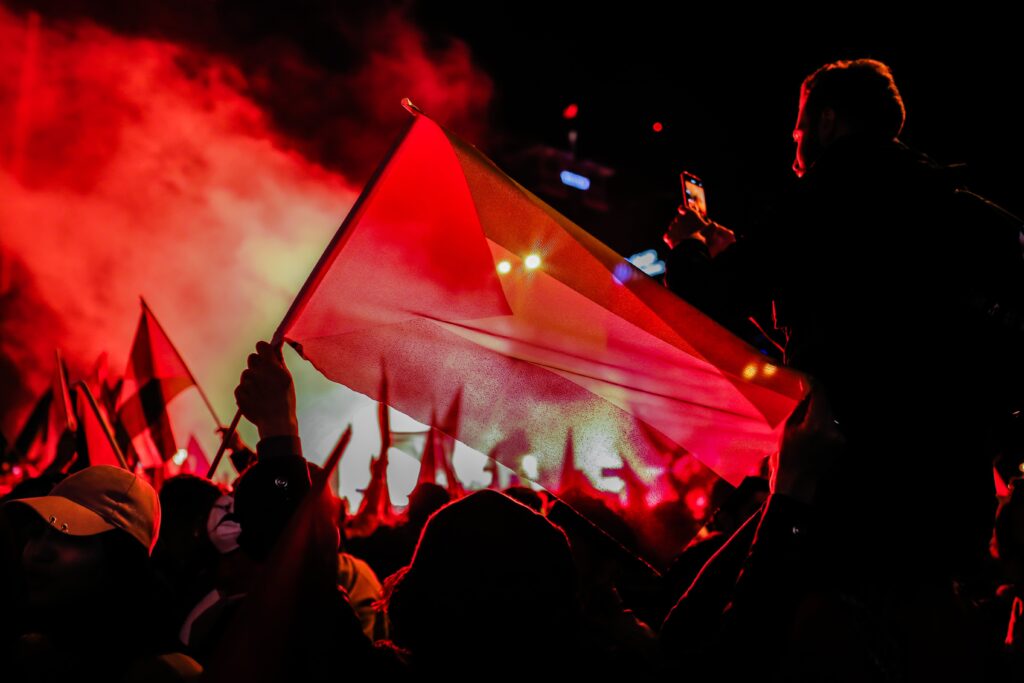
“Footage of the pro-Palestine protests indicates that these protests are not just for Palestine but are acting as spaces within which forms of Islamist fascism breathe” Head of our UK-India Desk, Charlotte Littlewood provides comment to The Article addressing the 324% rise in Antisemitism in the UK, how we got here and how we can move forward. To read the full article, click here.

Appeasing Hamas: why we need muscular liberalism Read More »

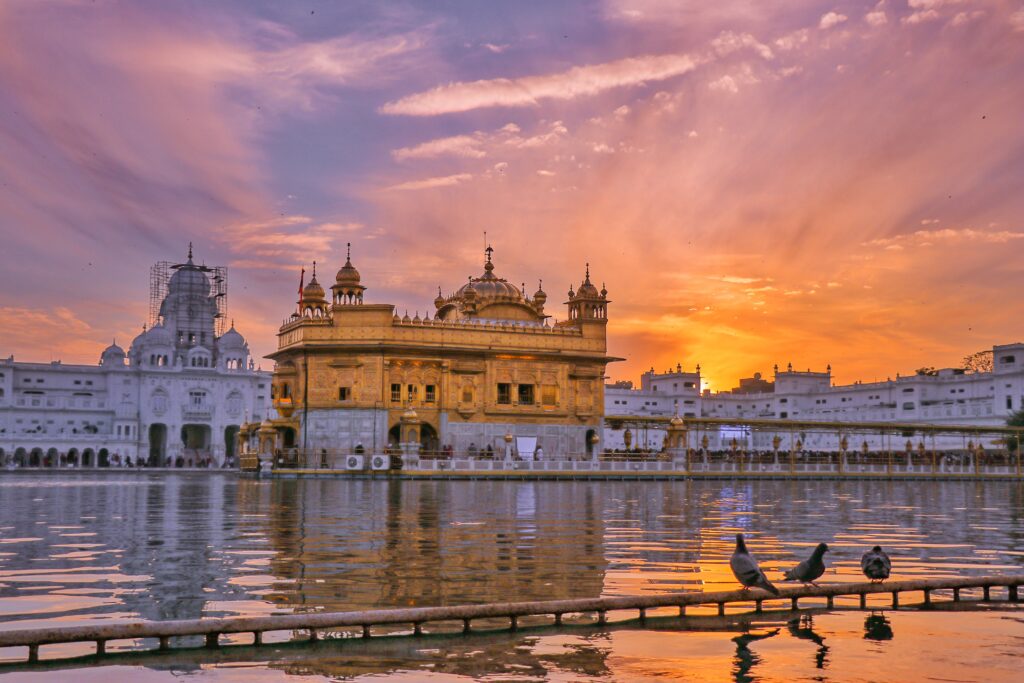
The Golden Temple is a gurdwara located in the city of Amritsar, Punjab, India.

Trudeau, India and Sikh separatism

Rishi Sunak stated at the G20 in India that he was committed to tackling Khalistani extremism. It would be wise for Sunak to work with the Indian diplomatic services at this sensitive time to ensure their safety and their confidence that the Government will deliver on this promise. Sunak faces a delicate balancing act, needing to stand against any potential encroachment on Canadian sovereignty by India, while also addressing the UK’s own recent questions regarding the harbouring of Khalistani extremists. For the sake of Sikhs and Hindus in the UK, for peace and security in India, and for the strength of the India-UK relationship, Sunak must step up and turn Trudeau’s diplomatic blunders into the catalyst for the end of Khalistanism in the West. Canada has a problem. The UK has the same problem. This is a diaspora problem, and Rishi Sunak has an opportunity to take appropriate action. To read the full article by our Head of UK-India Relations, click here.  

Trudeau, India and Sikh separatism Read More »

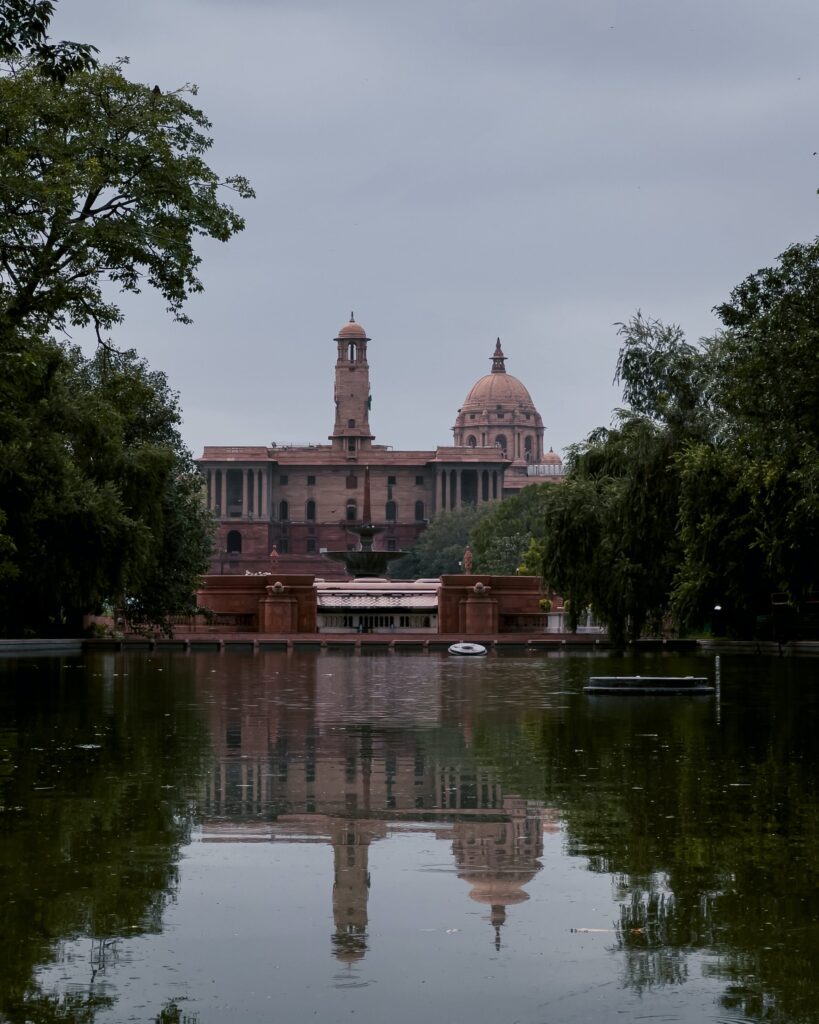
The Secretariat Building or Central Secretariat houses the important ministries of the Government of India.

Mutual respect and understanding needed in UK-India relations

What prompts the negative sentiment towards India across British society, spanning from parliamentarians to media outlets? Could this perhaps be attributed to a lingering colonial legacy, an inability to view India as a partner rather than a former subject? In this opinion piece, written by ICfS Head of UK-India relation, Charlotte Littlewood, she discussed Britain’s need to engage meaningfully across government and state apparatus with India. To read the full article, click here.

Mutual respect and understanding needed in UK-India relations Read More »

Scroll to Top